
The "False Self" Problem
When Your Personality Was Built Around Coping and Masking Strategies

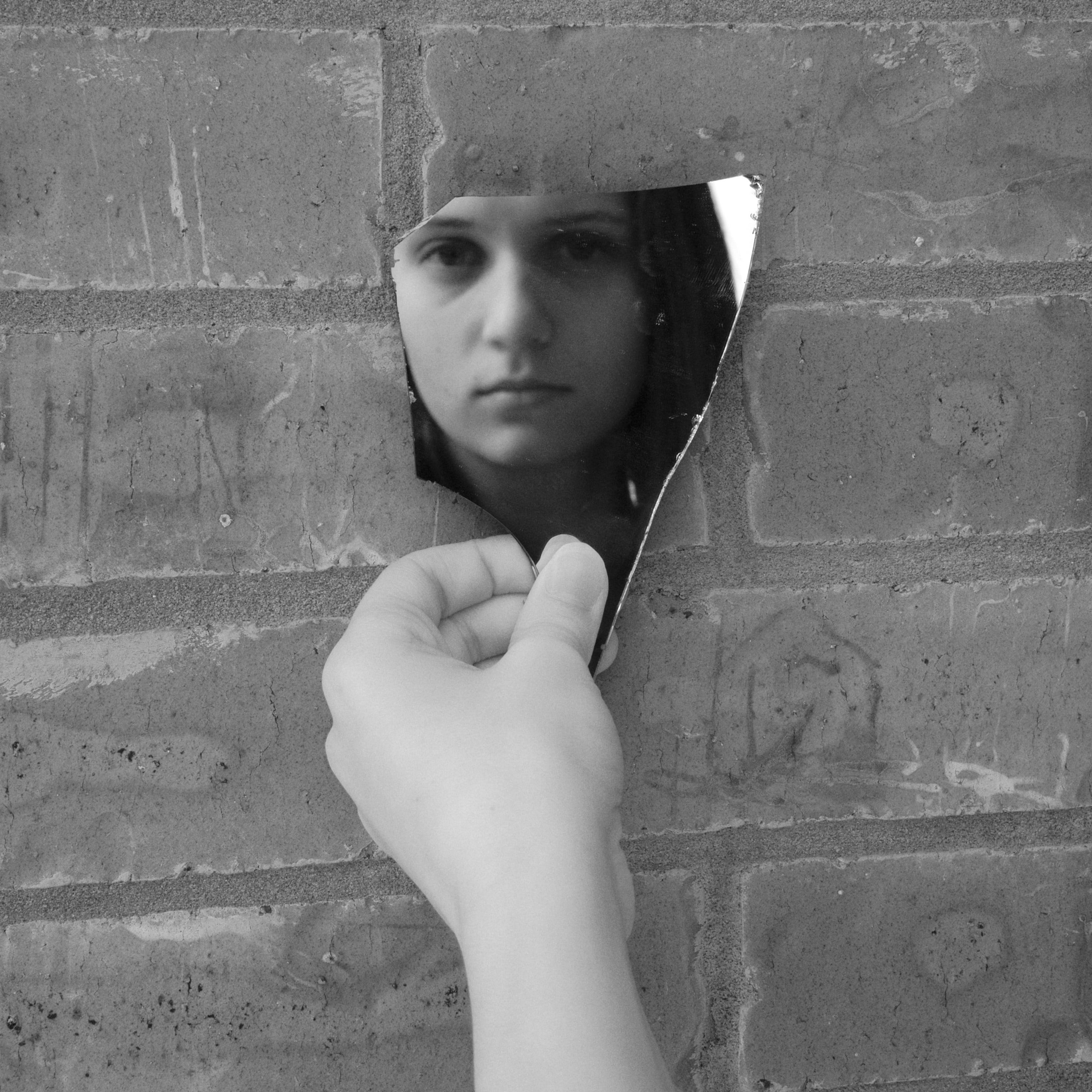
Photo by Random Thinking on Unsplash
For many late-diagnosed autistic and AuDHD adults, one of the most unsettling realizations is not just that they think or process differently, but that the person they believed themselves to be was shaped heavily by adaptation. Years of masking, compensating, and meeting external expectations can create what feels like a coherent personality. But after diagnosis, it can become unclear how much of that identity was authentic and how much of it was constructed for survival. This is often referred to as the “false self” problem, a deep, disorienting experience of questioning who you are beneath the strategies that helped you navigate the world. Contrary to what the term suggests, the “false self” is adaptive, not fake or manipulative.
How the False Self Develops
The false self does not form intentionally. It develops gradually in response to repeated environmental feedback. From an early age, many neurodivergent individuals receive signals that their natural ways of communicating, expressing emotion, or engaging with the world are not acceptable. Whether they are explicit or subtle, they are consistent enough to shape behavior over time.
In response, coping strategies emerge. These might include mimicking social behaviors, suppressing sensory needs, scripting conversations, or pushing through exhaustion. Over time, these strategies can become so ingrained that they feel like personality traits rather than adaptations. What began as a way to fit in becomes the mask, the default way of existing.
Losing Sight of the Underlying Self
When coping strategies are constantly active, it can become difficult to access a sense of self that exists independently of them. Preferences, interests, and even emotional responses may be filtered through what feels acceptable or expected. Decisions may be guided more by external standards than internal cues.
After diagnosis, it can lead to a sense of confusion or emptiness. You begin to notice moments where your automatic responses feel performative or misaligned, but you don’t yet know what would feel more authentic. While it may feel uncomfortable, it doesn’t mean that there is no “real self.” It often means that the authentic self has been obscured by layers of adaptation that were necessary at the time.
The Role of Masking
Masking is central to the development of the false self. It involves consciously or unconsciously modifying behavior to reduce the visibility of neurodivergent traits. For many late-diagnosed adults, masking was not recognized as a distinct process; rather, it simply felt like what was required to function socially or professionally.
The problem is not masking itself, but the extent to which it becomes constant and unquestioned. When masking is continuous, there is little opportunity to experience yourself without it, which can create a sense that your identity is tied to performance, making it difficult to distinguish between who you are and what you have learned to do.
Realizing the Extent of Adaptation
Diagnosis often brings a sudden awareness of how much adaptation has taken place. Some insights materialize shortly after diagnosis, while others take longer, and some depend on becoming aware of others first. Like grief, unmasking and discovering authenticity are not linear processes, but ongoing evolutions. Behaviors that once felt natural may be reinterpreted as strategies. You may notice how often you adjust your tone, monitor your expressions, or suppress reactions in ways that feel effortful.
